Trauma Healing Retreat in Portugal: Release Body-Stored Trauma with Somatic Therapy
By Orit Krug | March 16, 2026
If you’ve been searching for a somatic therapy retreat, attachment healing retreat, or trauma therapy retreat, chances are you’ve already done a lot of inner work.
You’ve read the books.
You’ve gone to therapy.
You understand your patterns.
And yet your body still reacts.
One moment you feel calm and grounded. The next moment, anxiety surges through your chest, your mind starts racing, and you feel like you’re right back in the same old loop.
Many women tell me the same thing before they come to retreat:
"I know why I react this way… but I can’t seem to stop my body from doing it."
That’s because trauma and attachment wounds don’t live only in thoughts. They also affect the nervous system.
Research and clinical work in trauma psychology show that overwhelming experiences can shape the body’s stress responses, affecting breath, muscle tension, emotional regulation, and relational safety long after the original events have passed. (Source: American Psychological Association)
This is why healing that happens through the body can unlock shifts that insight alone sometimes cannot.
Why Somatic Retreats Can Create Breakthroughs
Daily life rarely gives us the conditions needed for deep nervous system change.
We’re busy.
We’re distracted.
We’re constantly pulled back into the same environments and relationship dynamics.
A somatic retreat creates a different container.
Instead of trying to manage your patterns while juggling everyday responsibilities, you step into a dedicated space where your nervous system can slow down and safely process what it’s been holding.
During retreat, we work with practices such as:
- guided somatic awareness
- parts work to understand internal protective patterns
- movement and breathwork to release stored emotion
- relational exercises that rebuild safety and connection
Over several days, something subtle but powerful begins to happen.
Your body starts to realize it doesn’t need to brace all the time.
Your breath deepens.
Your shoulders soften.
The nervous system begins learning safety from the inside out.
Why Portugal Is a Powerful Setting for Somatic Healing
There’s something about stepping away from your usual environment that can make it easier to slow down and turn your attention inward.
Portugal offers a natural combination of spaciousness, nature, and a slower pace that can support this kind of work. Time spent outside, moving through nature, and being away from the demands of everyday life creates room to pause and reconnect with yourself.
But the setting is only part of the experience.
The most important piece is the container you step into: several days dedicated to your body, your relationships, and the patterns you’ve been working to change.
Rather than trying to squeeze healing into an hour of therapy between work, errands, and other responsibilities, a retreat gives you the opportunity to stay with the process for several days.
That spaciousness can make it easier to notice what is happening in your body, experiment with new ways of responding, and integrate those experiences before returning home.
What the Somatic Experience Feels Like
One participant, Natalie, described the group sessions as something she had never experienced before.
During the Somatic Dance Therapy practices, she felt a level of freedom in her body that had been completely unfamiliar to her.
She talked about the power of being surrounded by other women who were equally open and authentic — the energy of the room becoming almost magnetic as everyone allowed themselves to move, feel, and express what had long been held inside.
Afterward she said:
“The Somatic Dance Therapy sessions were my favorite part. They allowed me to feel a sense of freedom that I have truly never felt. It was such a beautiful experience to be surrounded by other women who were being equally vulnerable and authentic. The energy of the sessions was truly magnetic. I felt that we were all able to connect with one another on a higher frequency. It felt like magic. The best way to describe it, for me, would be to say it was an out of body feeling. Super powerful!”
— Natalie, Somatic Retreat, Sep ’24
Moving Out of Freeze and Back Into Life
For others, the shift is quieter but just as profound.
Bev arrived at retreat feeling disconnected from her body and emotions. She described being stuck in a frozen state — intellectually understanding her patterns but unable to feel or move through them.
Through somatic parts work, she began recognizing how much of her life had been driven by younger protective parts shaped by fear.
As she slowly allowed herself to be seen by others in the group — through practices like eye contact, mirroring, and relational movement — something changed.
Instead of shutting down, her body started opening.
Afterward she shared:
“Before the retreat, I was stuck in a frozen state—disconnected from my body and emotions, despite having plenty of head knowledge. The somatic parts-work helped me realize I’d been operating from my younger self, driven by fear and disconnection. As I broke free from the fear, I truly listened to and respected my body. Being vulnerable felt scary at first, but ultimately incredibly safe. The eye contact and mirroring were especially transformative, helping me feel deeply seen. The balance between structure and spaciousness was perfect. I honestly think it may be the best money I’ve ever spent—I just wish I’d done it sooner and would love to attend monthly.”
— Bev, Somatic Retreat, Feb ’25
How to Choose the Right Somatic Therapy Retreat
If you’re searching for a somatic therapy retreat for trauma or attachment healing, it’s important to choose a space that truly supports your nervous system. When people come to this work, they’re often carrying years — often decades — of emotional patterns, protective responses, and deeply human longing for safety and connection.
The right retreat environment can make a meaningful difference. Here are some qualities that help create a supportive and transformative experience:
-
Experienced facilitators trained in trauma-informed somatic work
When you’re exploring vulnerable emotional territory, the skill and presence of the facilitator matters deeply. Look for someone with extensive training and real experience guiding people through body-based healing processes, not just someone who added a short somatic certification onto another modality. -
A process-based structure rather than random workshops
Meaningful transformation happens through a carefully guided process. Instead of a series of disconnected activities, a strong retreat builds step-by-step experiences that gradually help your nervous system move from protection into safety, expression, and integration. -
Relational safety and small group environments
Much of attachment healing happens in connection with others. Being part of a small, supportive group allows participants to feel seen, accepted, and understood — creating opportunities to experience connection in new ways. -
A thoughtful application process
If you can simply click “buy now,” it may not be the most intentional environment. Retreats that include an application or short conversation can help ensure the group is aligned and that the experience truly supports your needs. -
Integration time for nervous system processing
Deep somatic work isn’t something to rush. Moments of reflection, rest, and gentle integration allow the body to absorb new experiences of safety, expression, and connection so the shifts can continue after the retreat ends.
When these elements come together, a retreat becomes more than a temporary escape from everyday life. It becomes a space where your body can finally exhale, your nervous system can experience new possibilities, and parts of you that have been waiting to emerge can begin to come forward.
Explore Somatic Retreats in Portugal
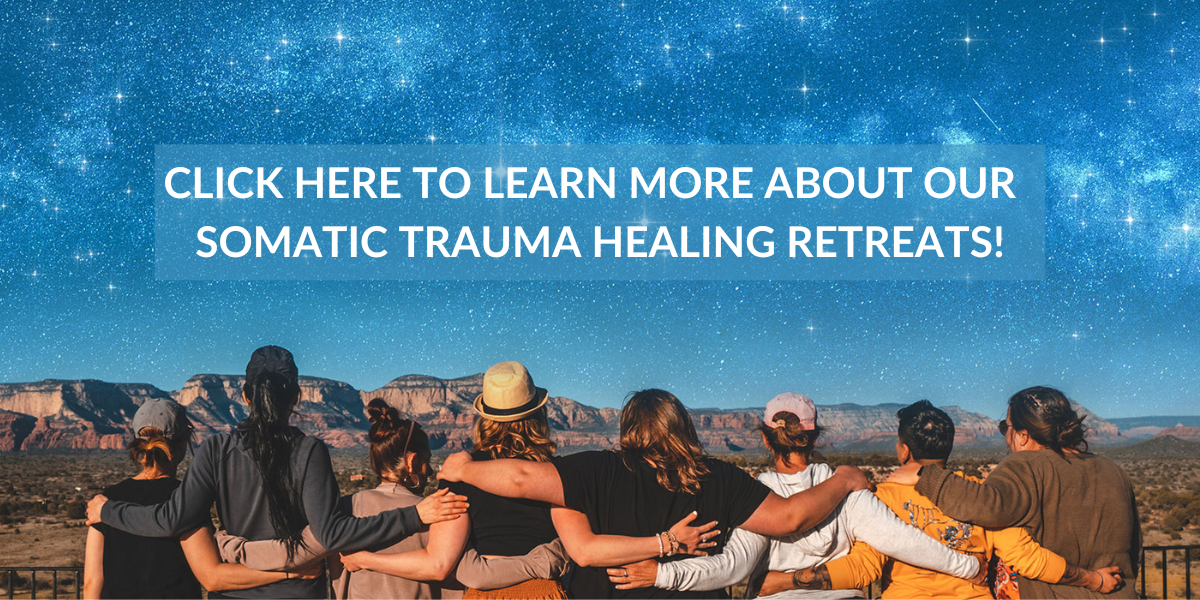
If you’re looking for a somatic retreat in Portugal, you can learn more about Orit Krug’s upcoming retreat in the Algarve:
Ready to Experience a Somatic Retreat in Portugal?
If something in this article resonated with you, your body may already be recognizing what it needs.
Many women arrive at retreat after years of personal growth, therapy, and self-reflection — still sensing that something deeper in their nervous system is waiting to shift.
A somatic retreat creates the space to slow down, reconnect with your body, and gently work with the patterns that have been living beneath the surface.
My upcoming Portugal retreat takes place February 23–26, 2027, in the Algarve. Over several days, we’ll work with somatic movement, parts work, relational practices, and embodied tools for creating greater safety and connection within yourself and with others.
If you're curious about whether this experience might be the right next step in your healing journey, you can learn more about the Portugal retreat here.
Frequently Asked Questions About Somatic Retreats
What is a somatic retreat?
A somatic retreat is an immersive healing experience that focuses on releasing trauma, stress, and emotional patterns stored in the body. Through practices such as movement, breathwork, parts work, and nervous system regulation, participants learn to process emotions directly through the body rather than only through conversation or intellectual insight.
How does a somatic therapy retreat help with attachment healing?
Attachment wounds often live in the nervous system and can show up as anxiety, fear of abandonment, or difficulty trusting others. A somatic therapy retreat creates a safe relational environment where participants can experience new patterns of connection, emotional safety, and regulation, allowing the nervous system to learn healthier attachment responses.
Why do people travel to Portugal for somatic retreats?
Portugal offers a beautiful combination of nature, spaciousness, and a slower pace of life that can create the ideal conditions for stepping away from your usual routines and turning inward. Away from the demands of everyday life, participants have more space to slow down, reconnect with their bodies, and fully engage in the somatic work. Combined with guided somatic therapy practices, the retreat environment can support deeper self-awareness, emotional processing, and meaningful shifts that continue beyond the retreat.
Who are somatic retreats best for?
Somatic retreats are especially helpful for people who feel stuck in cycles of anxiety, emotional triggers, or relational patterns even after years of personal growth or therapy. Because the work happens through the body and nervous system, participants often experience shifts that feel more lasting and embodied.
